
How libraries are staying relevant in an age of streaming, gaming, and constant digital distraction.
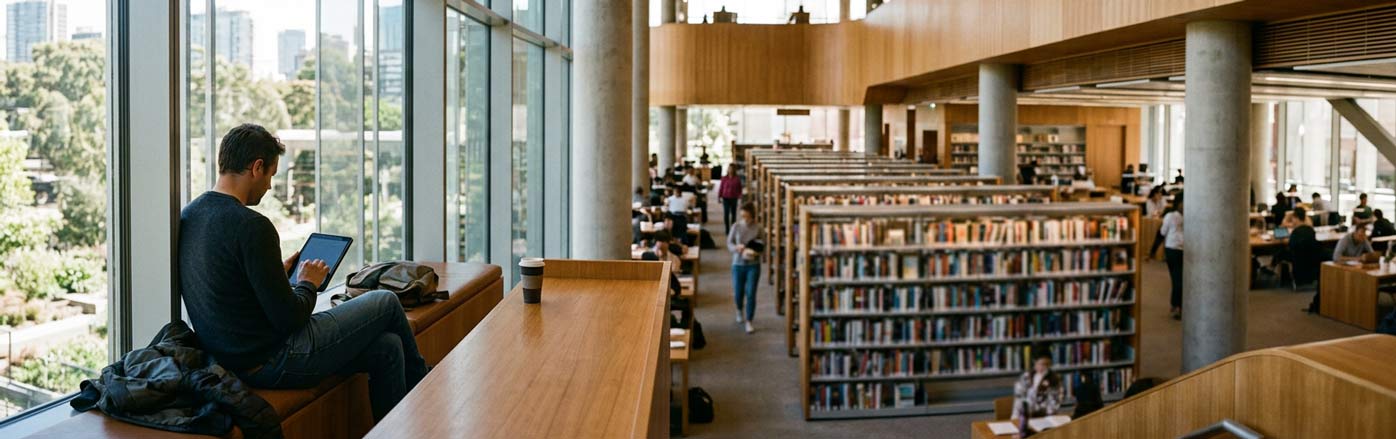
For generations, the library was a simple proposition: a quiet building full of books you went to borrow and read. That model held for a long time, but the world around libraries changed fast. Streaming put movies and series on every screen, gaming turned living rooms into virtual worlds, and online casinos brought the thrill of chance to smartphones, with the global online gambling market valued at over $100 billion in 2026 and projected to near $170 billion by 2031. Through all of it, one question has grown louder: in a world of infinite digital entertainment, what is a library for?
What Libraries Were
The library we remember rested on a few ideas: free books, periodicals, and reference materials, and a quiet space to study. In many communities it was the only public space where anyone could walk in and learn without paying a cent. Libraries have long been the custodians of knowledge.
That mission has not disappeared, but books alone no longer pull people in. They still read, just differently, and fill their leisure time with much else. The average user borrows about nine books a year, while a few super-users visit twenty-five or more times annually. The committed readers are not the challenge. Everyone else is.
Libraries Go Online
The first shift has been digital, as libraries that once held only print now run vast digital collections. Finland’s shared national e-library reported over 270,000 users and 12,000 e-books and audiobooks in early 2026. In 2025 alone it lent audiobooks about 1.3 million times and e-books about 450,000, from a catalogue of roughly 7,800 audiobooks with over 49,000 simultaneous reading rights.
The pandemic sped up what was under way, turning a temporary fix into permanent behaviour. Patrons now expect instant access, flexible formats, and easy discovery, like any commercial platform. Digital demand is the new baseline.
In Nashville, e-books are now over 70 per cent of circulation, with $6 million going into new books, e-books, audiobooks, and children’s materials. But they cost about five times print, and libraries license rather than own them, paying again and again. Audiobooks sit at the centre of digital reading yet add pressure, as the priciest format on metered or time-limited licences.
Active members read 16 per cent more than non-members and are nearly twice as likely to use audiobooks. The demand is there; the budgets do not always keep pace.
Competing with Modern Entertainment
Here the challenge gets real. Libraries now compete not just with other libraries or bookstores, but for attention against everything else people can do.
Streaming is the obvious rival. By late 2024, Netflix alone had passed 300 million subscribers, double its 2019 level, now a default rather than a novelty. Platforms like Hoopla show similar momentum, with 67 per cent growth in new video users from 2019 to 2025. People want content on demand, on the nearest screen.
Gaming has grown just as fast. Cloud services like Xbox Cloud Gaming, NVIDIA GeForce NOW, and Amazon Luna put high-quality games on almost any device, needing only an internet connection. As the barrier dropped, the audience widened, and libraries are now expected to act as sites of gaming culture; some already run game collections and game-based programming. The Ann Arbor District Library’s Summer Game has drawn more than 17,000 participants in a single edition.
Online Casinos and Digital Platforms
Then there is online entertainment, including casinos. These platforms have turned engagement into a science. The global online gambling market is projected to grow from $98 billion in 2025 to $108 billion in 2026, a compound annual growth rate of nearly 11 per cent, and mobile play now accounts for close to 70 per cent of online casino traffic. They offer instant gratification, variable rewards, and increasingly AI-driven personalised experiences, the same pull that keeps a reader turning pages in a good book. For many people the question is not whether to be entertained, but which form of entertainment to choose at any given moment.
This is what libraries are up against now. A quiet room full of books will not out-compete a streaming catalogue of thousands of titles, a gaming platform with infinite replays, or an online casino serving personalised, bite-sized entertainment on a phone. Something has to give.
How Libraries Stay Relevant
The libraries thriving in 2026 are not the ones that clung to the old model. They are the ones that rethought what a library can be.
Libraries as Third Spaces
Across Europe, libraries are being reimagined as third spaces: places beyond home and work to meet, create, and connect. As one researcher put it, lending books or videos is no longer enough; libraries want to offer new experiences.
In practice that means makerspaces for practical skills, workshops on sustainable fashion and craft, and rooms designed with the community. Helsinki’s Central Library Oodi gives a whole floor to creative work; smaller cities like Opole, Poland, are only starting, with their first makerspace workshops. The thread is a shift from consuming to making.
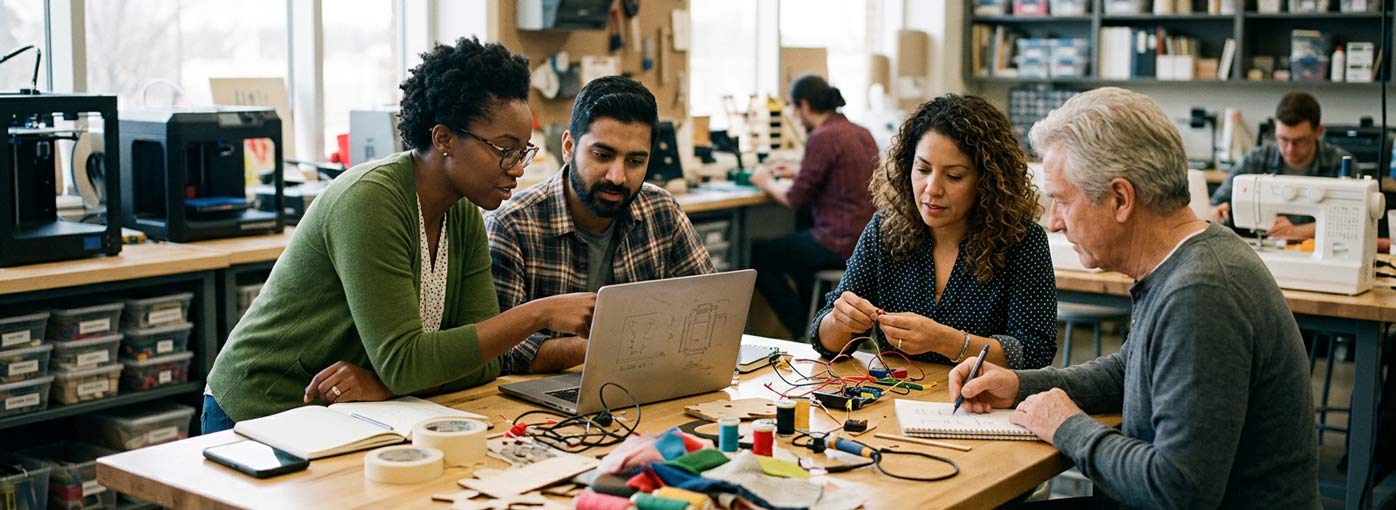
The data backs this. A 2025 study found 67 per cent of Gen Z had visited a library in the past year, up from 54 per cent in 2022, their second most common way to get books after bookstores and Amazon. And 85 per cent said they want spaces outside the home to relax, which is the library’s appeal as a third space.
Meeting People Where They Are
Libraries have also moved onto the platforms people already use, and TikTok is an unlikely ally. BookTok has reshaped how a new generation finds books: nearly 78 per cent of young BookTokers say their reading interest has grown, and they are nearly three times more likely to join a book club.
The British Library, with TikTok, recently hosted BookTok Late, an after-hours takeover that turned the famous library into a live celebration of stories, fandom, and community. Part festival, part creator showcase, part gathering, it explored how reading culture shifts through recommendations, short-form storytelling, and shared online talk. Libraries across the English-speaking world now have staff make playful book videos, and even libraries in Ukraine use short TikTok clips for new books and events. These are not gimmicks, but a recognition that relevance means meeting people where they are.
The Discovery Advantage
In a world of subscription fatigue, libraries offer what commercial platforms cannot: a single, trusted way to discover things. As subscriptions multiply, people feel search exhaustion, too many platforms and too little clarity. One library card opens e-books, audiobooks, streaming video, and physical collections, all free and ad-free. While commercial services push ad-supported tiers and bundled hubs, the library is the plain alternative: one account, broad access, no ads, no fee.
Community Programming That Matters
One Book, One Niagara is a clear example. It is not only about reading the same book, but about a shared experience, a reason to gather. The program unites thirteen libraries with book clubs, author talks, and discussion nights anyone can walk into, community-building in the shape of a reading program, and it works.
The same runs through the wider library calendar. Book clubs, author series, used-book sales, and literary events give people reasons to visit beyond borrowing. These are not side attractions; for many libraries, they are the main draw.
What It Comes Down To
Libraries are not dying. They are changing shape. The ones that survive and thrive will treat their core mission as access, connection, and community rather than books alone. As one library dean put it, libraries today are less about repositories and more about connecting people and ideas. The book draws people in. The gathering is what keeps them.
The competition is real. Streaming, gaming, and online casinos are all after the same leisure hours. But libraries hold something none of those platforms can copy: physical space, human connection, and a mission that puts people before profit. In a fragmented digital world, that still counts, and it may count for more as the noise grows.
This article is part of an independent reader-run resource about libraries and community reading in the Niagara Region. It is not affiliated with the organizing libraries or their partners. Have questions? Write us [email protected].